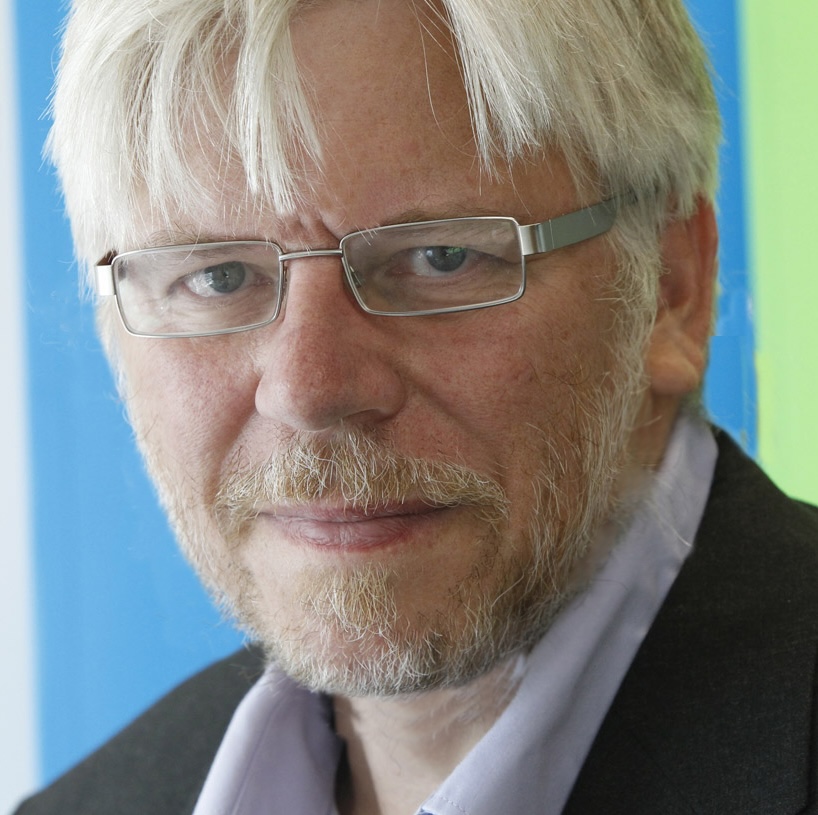
David Banes has worked for more than 40 years at the intersection of augmentative and alternative communication (AAC), assistive technology (AT), accessibility and inclusion. His career began in specialist education, where he taught children and young people with complex communication and learning needs, including pupils with autism, cerebral palsy and severe and profound disabilities. In those early roles, he helped develop practical approaches to communication, learning and the use of technology to support participation, independence and personal development.
Over time, David moved from frontline teaching and school leadership into national and international leadership in access and inclusion through technology. At AbilityNet, he helped expand services, drive innovation, build partnerships with major technology companies and government, and strengthen work on web accessibility, education and assistive technology services. He later moved to Qatar Assistive Technology Centre (Mada), where, as Deputy CEO and CEO, he played a major role in building an accessibility ecosystem, developing services, shaping policy, supporting Arabic localisation, and producing guidance on accessible technology in education, employment, banking and public life.
Since 2016, David has led David Banes Access and Inclusion Services, working internationally as a consultant, trainer, facilitator and trusted intermediary across the assistive technology ecosystem. His work has focused on turning policy into practice, building capacity, supporting innovation and entrepreneurship, and helping countries and organisations shape services around local needs. He has supported work across Europe, the Middle East, Africa and Asia, including projects linked to governments, universities, NGOs and international agencies. He has published widely on AAC both in peer-reviewed journals and popular channels, including blogs and social media.
He also maintains strong links with universities, research networks and global innovation initiatives. David has been an Adjunct Fellow with the University of Southampton and has worked closely with academic and innovation partners to bridge research, practice and implementation in assistive and accessible technology. His collaborations have included cooperation with GDIHub and ATScale on innovation, capacity building and the future of digital assistive technology. More recently, he has contributed to work at Stanford University focused on supporting assistive technology start-ups and helping shape the development of an Accessibility Toolkit for Agentic AI, bringing together practical accessibility experience, emerging technology insight and a commitment to ensuring that AI innovation is grounded in inclusion and real-world usability.
A central strand of David’s work has been AAC. He has supported the development of AAC services, training, and implementation in multiple countries; helped create AAC boards, symbols, and device specifications; and worked with UNICEF on AAC innovation, capacity-building, training materials, and implementation frameworks. He also mentored start-ups in UNICEF’s AAC innovation cohort and has consistently championed culturally and linguistically relevant communication solutions.
David is the founder of Global Symbols CIC, created to expand access to free and open symbol resources for communication in underserved languages and cultures. Through Global Symbols, he has helped develop symbol sets and communication tools that reflect local language and culture while supporting literacy, participation and inclusion for people without a voice. Today, as Chair of the Equitable AI Alliance, Director of Access and Inclusion Services, and founder of Global Symbols, he continues to work globally on AAC, assistive technology, accessibility and inclusive AI, with a strong commitment to ensuring that emerging technologies create practical, equitable and culturally relevant opportunities for disabled people worldwide.
David has consistently worked at the forefront of disruptive innovation to strengthen service and organisational development in assistive technology, AAC and accessibility. His work has included helping organisations redesign services to make better use of remote and virtual delivery models, enabling support, training, assessment and capacity-building to reach wider and more diverse communities across different regions. He has also explored how artificial intelligence and digital technologies can enhance service delivery, including improving AAC implementation through smarter tools, better personalisation, more efficient workflows and greater access to communication supports in underserved contexts. Alongside this, he has played a key role in shaping future-facing sector initiatives, including the proposed immersive assistive technology conference, IMATEX, as a space to showcase innovation, collaboration and new models of engagement. In his role as General Secretary of DATEurope, he further supported the development of the digital assistive technology field by connecting research, industry, policy and practice, and by promoting approaches that help organisations adapt to emerging technologies while keeping inclusion and real-world impact at the centre.