
Cultural and linguistic adaptations in AAC interventions: A scoping review
View a global list of converted local start times
Session ID: 31
Objectives:
As a result of this presentation
- The participant will learn how to describe cultural and linguistic diversity in AAC interventions.
- The participants will identify gaps in the cultural and linguistic adaptations of AAC interventions.
- The applicants will understand the framework that could be considered when adapting AAC interventions for cultural and linguistic diversity.
Abstract
Background: Children with complex communication needs should have access to augmentative and alternative communication systems that embrace their cultural and linguistic diversity (Beukelman & Light, 2020; Douglas et al., 2024). However, several barriers still exist that prevent culturally and linguistically responsive service delivery to children from diverse backgrounds who use augmentative and alternative communication (Mindel & John, 2022; Tönsing & Soto, 2020). For instance, there remains a lack of commercially available, multilingual and culturally diverse augmentative and alternative communication systems (Mindel & John, 2022), in addition to existing barriers in accessing these systems from the institutions that provide them, such as health care and educational settings (McNamara, 2018). The inclusion of such systems will assist in providing improved access to communication opportunities for these children. Therefore, there is a need to review current cultural and linguistic adaptations that exist in augmentative and alternative communication intervention for children with complex communication needs from diverse cultural and linguistic backgrounds, to identify what gaps may exist in the research.
Aim: To describe how augmentative and alternative communication interventions were adapted for children who require augmentative and alternative communication from cultural and linguistically diverse backgrounds using a published checklist.
Methods: A scoping review (Arksey & O’Malley, 2005) was conducted. Pre-defined selection criteria were applied, and a multi-faceted search strategy included electronic databases and hand-searching of academic journals. A total of 26 eligible studies were identified. Data extraction, focusing on the cultural and linguistic adaptations made to augmentative and alternative communication interventions, were mapped according to the dimensions of the Cultural Adaptation Checklist (Lee et al., 2024).
Results: The results of this review indicate that cultural and linguistic adaptations in augmentative and alternative communication interventions have been considered as a critical area of augmentative and alternative communication research. While most of the studies in this review mentioned an adaptation process, there was a paucity in reporting the process of implementation. This review made clear that adaptations should be more meticulously documented and reported to ensure all criteria are fulfilled. Lee and others (2024) emphasised that despite intervention adaptations unfolding gradually, there is a lack of guidance to ensure high quality cultural and linguistic adaptation.
Conclusions: The use of an adaptation framework, like the Cultural Adaptation Checklist (Lee et al., 2024), can be used in the field of augmentative and alternative communication to provide an approach for culturally and linguistically adapting augmentative and alternative communication interventions. This will ensure the intervention is more precise in terms of culturally appropriate language, the roles and relationships of everyone involved, community values and traditions, appropriate goals and outcomes, and the social, economic, and political contexts to support cultural sensitivity (Lee et al., 2024). Therefore, the adaptation process should consider culture and language, in all their complexity, as the primary focus of augmentative and alternative communication intervention development to enhance the long-term wellbeing and inclusion of children using augmentative and alternative communication, as well as meticulously utilising a framework to ensure high quality adaptations.
References
Beukelman, D. R., & Light, J. C. (2020). Augmentative & Alternative Communication. Supporting Children and Adults with Complex Communication Needs. Paul H. Brookes Publishing Co., Inc.
Douglas, S. N., Dada, S., Tönsing, K., Samuels, A., & Owusu, P. (2024). Cultural Considerations in Caregiver-Implemented Naturalistic Developmental Behavioral Interventions: A Scoping Review. Review Journal of Autism and Developmental Disorders. https://doi.org/10.1007/s40489-024-00436-3
Lee, J. D., Meadan, H., Sands, M. M., Terol, A. K., Martin, M. R., & Yoon, C. D. (2024). The Cultural Adaptation Checklist (CAC): quality indicators for cultural adaptation of intervention and practice. Int J Dev Disabil, 70(7), 1285-1296. https://doi.org/10.1080/20473869.2023.2176966
McNamara, E. (2018). Bilingualism, Augmentative and Alternative Communication, and Equity: Making a Case for People With Complex Communication Needs. Perspectives of the ASHA Special Interest Groups, 3(12), 138–145. https://doi.org/10.1044/persp3.SIG12.138
Mindel, M., & John, J. (2022). AAC for All: Culturally and Linguistically Responsive Practice. Plural Publishing Inc.
Tönsing, K. M., & Soto, G. (2020). Multilingualism and augmentative and alternative communication: examining language ideology and resulting practices. Augment Altern Commun, 36(3), 190-201. https://doi.org/10.1080/07434618.2020.1811761
Speakers

Adele May
University of Pretoria, Pretoria, Gauteng, South Africa

Chane Naidoo
University of Pretoria, Pretoria, Gauteng, South Africa

James Lee
University of Texas at Austin, Texas, United States of America

Sarah Douglas
Michigan State University, East Lansing, MI, United States of America (the)
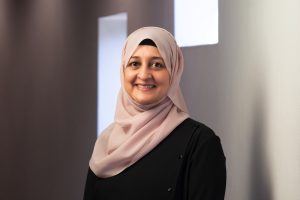
Shakila Dada
University of Pretoria, Pretoria, Gauteng, South Africa