
Capturing and Creating Visual Supports Together: Using a Participatory Action Framework with an Adolescent AAC User in Community Recreation
View a global list of converted local start times
Session ID: 37
Objectives:
1. Describe how professionals and community members can support AAC users and caregivers to capture personalized digital media during recreational participation.
2. Explain how an AAC user and caregivers applied personalized digital media for the purpose of communication, social interaction, and language and literacy development.
3. Identify three strategies to support active participation and involvement of the AAC user and caregivers in the process of capturing, developing and sharing digital media.
4. Summarize perspectives and lived experience about using digital media and how it impacts communication and sharing with partners.
Abstract
This session will share the story about a creative project involving an adolescent skier, students from Ithaca College, and community volunteers from an adaptive snow sports program. The project was grounded within a participatory action framework and focused on the skier and his family as they built community, active participation, and communication through their shared interest of skiing. During the presentation, the AAC user and the SLP mentor/supervisor will present the process for capturing and creating personalized digital media as a tool to visually support communication and recreational participation.
The purpose of the project was to engage in a collaborative process with three different stakeholder groups; an adolescent AAC user and his family, students and faculty from Ithaca College, and volunteers from a community-based recreation program. Each stakeholder group worked towards shared outcomes supporting the collection, development, and dissemination of personalized digital media captured during recreational activities (i.e., adaptive snow sports/skiing). The captured photos and videos were used to create visual supports including a short documentary film titled: “No Community without Communication”. The film highlights the recreational pursuits of the AAC user embedded within a community based adaptive sports program.
Using a participatory approach, the team gathered ideas and feedback from the three stakeholder groups throughout the duration of the project. The entire team was immersed into the adaptive ski community by participating in snow sport lessons with the AAC user, family and community volunteers. Digital media was collected during the recreational activity from multiple perspectives, including the AAC user, family members, college students and community volunteers from Greek Peak Adaptive Snowsports(GPAS). During SLP clinic sessions at Ithaca College, the captured media was organized, selected and developed into visual supports for communication and sharing. Both the adolescent AAC user and family members were involved across many aspects of the process.
Visual supports were developed during clinic sessions with the student, family members, SLP mentor, and college students. Over the course of the project, the AAC user and his family helped to select photos, text, and provide ideas about the general design for visual supports, including visual scene displays (VSDs). There was a strong emphasis on collaboration with the AAC user and his caregivers to select relevant and motivating digital images and text for the purpose of expressive communication. Also, the Social Networks Inventory (Blackstone & Hunt Berg, 2003) was used to consider potential partners with whom to share different types of digital media. Using the circles of communication partners framework helped the team to identify specific partners, such as extended family, peers, community members, and school-based staff. The AAC user and family made the ultimate decisions about who and how they preferred to share different types of digital media, including the film and VSDs.
During the presentation, clips from the short documentary film will illustrate the story about the AAC users’ participation in the community based recreational program. Both the AAC user and the lead faculty supervisor will share their perspectives and ideas related to capturing and creating digital media and the importance of communication to build community. Attendees will learn about the overall process for capture and collection and gain ideas about using digital media to develop visual supports such as VSDs and short video clips. Furthermore, the presenters will focus on how visual supports can enhance communication, make shared connections with others, and increase knowledge and understanding about AAC.
In conclusion, this presentation will provide an overview of a creative and collaborative project centered on an adolescent AAC user and his recreational participation in his community. The perspectives and experiences of the AAC user, faculty supervisor, IC students, and volunteers will provide the AAC community, with a better understanding of how to engage with recreational programs and consider how to capture and share relevant digital media. Attendees will learn about the process to develop personalized visual supports through a shared interface design approach that promotes literacy, communication, and social engagement. The presenters will discuss how using a participatory approach was effective to support the collection and development of AAC visual supports for the purpose of sharing, storytelling, and making social connections.
Speakers
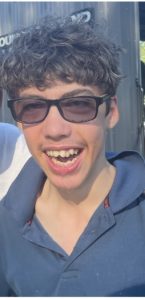
Andrew Mutolo
Ithaca High School, Ithaca, NY, United States of America
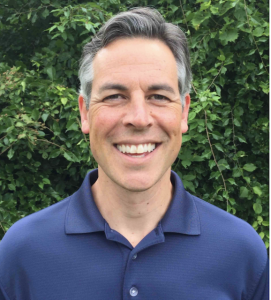
David Hajjar
Ithaca College, Ithaca, NY, United States of America