
The Impact of AAC on Communication Skills and Quality of Life Among Autistic Children: A Quasi-Experimental Study from Georgia
View a global list of converted local start times
Session ID: 69
Objectives:
- As a result of this presentation, participants will be able to describe the impact of AAC intervention on communication skills and caregiver quality of life in autistic children within an emerging AAC service system.
- Analyze how clinician training, public awareness, funding mechanisms, and cultural misconceptions influence the implementation of AAC services in emerging contexts.
- Apply the findings of this study to identify strategies that support successful implementation of evidence-based AAC interventions in developing service systems.
- As a result of this presentation, participants will be able to evaluate the importance of establishing sustainable AAC services in developing countries and use evidence from emerging AAC contexts to inform clinical practice, professional education, advocacy, and policy development.
Abstract
Communication is fundamental to participation, education, relationships, self-determination, and quality of life. For individuals with complex communication needs, the inability to communicate effectively affects access to education, healthcare, employment, social participation, and independent living. Although the effectiveness of Augmentative and Alternative Communication (AAC) has been demonstrated internationally across diverse populations, most evidence originates from countries with well-established AAC services. Comparatively little is known about implementing AAC in countries where professional expertise, service infrastructure, funding mechanisms, and public awareness are only beginning to develop.
Georgia represents one such emerging AAC context. As part of the background review for this study, searches of Georgian-language online resources showed that references to AAC first appeared in 2015, while speech-generating devices became publicly available only in 2021. At that time, AAC devices were not funded through national government programmes or health insurance schemes, creating significant financial barriers to access. Furthermore, a 2023 Georgian study identified the country as a myth-influenced AAC environment, reporting that parents endorsed all six commonly recognised AAC myths and professionals endorsed four. Together, these findings highlighted major barriers to evidence-based AAC implementation, including limited professional expertise, widespread misconceptions, and restricted access to communication technologies due to the absence of sustainable public funding.
Conducted as part of a Master’s thesis in the Speech, Language and Communication Programme at Ilia State University, Georgia, this study aimed to evaluate the impact of AAC intervention on the communication skills of autistic children with significant communication impairments and on the quality of life of both the children and their caregivers. It also sought to provide the first quantitative evidence supporting AAC implementation in Georgia and contribute implementation evidence from an emerging AAC context to the international literature.
A quantitative quasi-experimental design included 40 autistic children aged 4–18 years with clinically identified significant communication impairments and their caregivers. Twenty children received AAC intervention for 7–8 months, while twenty had no previous AAC intervention and served as a comparison group. Communication outcomes were measured using the Communication Matrix, and quality of life was assessed using a caregiver-completed Quality of Life Questionnaire. Statistical analyses were conducted using SPSS, including paired-samples t-tests, independent t-tests, and ANOVA.
Children receiving AAC intervention demonstrated statistically significant improvements in communication, with an average 122% increase in communicative functions and expressive forms following the intervention period. Although differences in children’s quality of life were not statistically significant, children receiving AAC consistently achieved higher quality-of-life scores than those without AAC intervention. Caregivers reported statistically significant improvements in their own quality of life, suggesting that improved communication positively influenced family routines, emotional well-being, and participation in everyday life. These findings indicate that successful AAC intervention benefits not only the individual using AAC but also the wider family communication environment.
The findings are particularly significant because they were achieved during the earliest stage of AAC implementation in Georgia. At the time of the intervention, speech-generating devices had been available for only a few years, opportunities for specialised AAC training were limited, and the clinicians delivering the intervention represented one of the country’s first cohorts trained in AAC. Despite these challenges, the intervention produced substantial improvements in children’s communication and meaningful improvements in caregiver quality of life.
Rather than simply demonstrating that AAC is effective in Georgia, this study demonstrates that meaningful communication outcomes can be achieved within an emerging AAC system, even where professional expertise, infrastructure, funding mechanisms, and public awareness are still developing. These findings have important implications for countries that are establishing AAC services, particularly those with limited resources. By providing the first quantitative evidence of AAC intervention outcomes in Georgia, this research contributes valuable implementation evidence from an underrepresented region to the international AAC literature and supports investment in professional education, sustainable funding, interdisciplinary collaboration, and equitable access to communication. Ultimately, the findings reinforce communication as a fundamental human right and demonstrate that developing AAC systems can achieve meaningful outcomes when evidence-based practice is combined with committed professional development and family-centred intervention.
Speakers

Elene Tskrialashvili
Ilias State Univeristy, Tbilisi, Georgia Tbilisi State Medical University, Tbilisi, Georgia
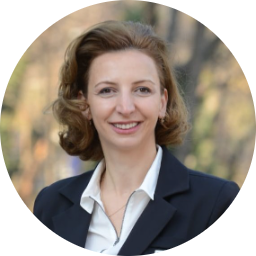
Mariam Gelashvili
Consort Georgia, Tbilisi, Georgia Ilias State Univeristy, Tbilisi, Georgia St. Andrew's Georgian University, Tbilisi, Georgia