
Bringing Light to Mental Health Access and Complex Communication: Cross-Continental Perspectives and Strategies for Mental Health Access from PWUAAC and Mental Health Advocates
View a global list of converted local start times
Session ID: 82
Objectives:
1. Explain why a person who uses AAC may be at risk of mental health difficulties, and what signs to look for.
2. Analyze potential barriers or limits to mental health support access for individuals who have complex communication needs.
3. Summarize 3 self-help strategies for mental health and wellbeing that an individual or support person can try for themselves.
4. Provide 2 examples of how an individual can use AAC as an expressive outlet for acquiring and/or participating in mental health support services.
Abstract
An open-forum discussion regarding mental health needs, barriers to support services, and potential strategies for individuals with complex communication. Representing North and South America, a trilingual team of adults who use AAC, professionals, and allies analyze how cultural and systemic factors impact mental health and self-expression. The panel will provide personal experiences, challenges, and successes in their mental health journeys, as well as current research on best practices in the areas of Psychology, Speech-Language Pathology, Art Therapy, Music and Dance Therapy, Spiritual Development, Civil Rights, and Self-Help, as relevant to communication limitations and prejudices. A short presentation will be followed by an open Question and Answer forum with the audience, in which topics can be presented for discussion or questions can be asked to a panel member.
AAC in Everyday Life: Today, Tomorrow, and Beyond is represented in this panel through lived experience and professional practices identifying structural, linguistic, and regional barriers to mental health equity. Panelists will examine the cross-sections of mental health and complex communication:
Today – Understanding systemic challenges, such as adequately trained providers, prejudices, and exclusion of AAC from standard talk-therapies.
Tomorrow – Culturally diverse views reflecting on infrastructures and socio-economic factors influence support access.
and Beyond – Action and advocacy to create accessible mental health environments for multimodal self-expression, crisis counseling protocols, professional education, and therapeutic alliances focused on communication rights.
The session will follow a moderated dialogue structure of these themes, where panelists share their prepared high-impact experiences and specific strategies they have learned while navigating access to adequate support. The rest of the session will engage attendees in a structured chat and text-based Question and Answer forum with multimodal participation. Attendees are encouraged to participate in the discussion.
Speakers
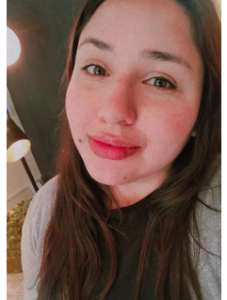
Daniela Pizarro
IntegrARTE, Santiago, Chile
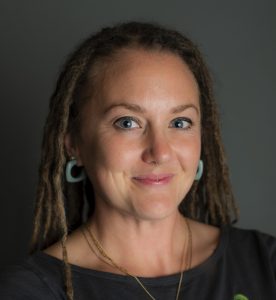
Emily Cunningham
Candela Communication L.L.C., Rochester Hills, Michigan, United States of America
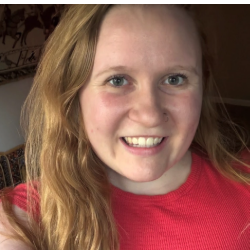
Heather Banet
Mixed Creative Arts, Saline, MI, United States of America

Kim Vuong
Harbor Regional Center, Long Beach, CA, United States of America
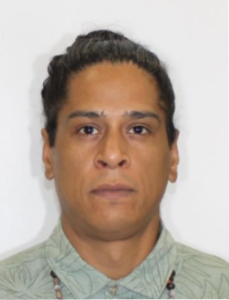
Luis Carlos Perez Hernandez
Candela Communication L.L.C., Florianopolis, SC, Brazil
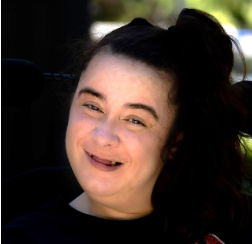
Stephanie Fassov
AAC Peer Support, Sacramento, CA, United States of America
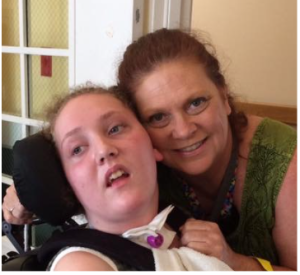
Tori & LeeAnn Erwine
Candela Communication L.L.C., Brea, CA, United States of America